Author: Sébastien Inion

  • |

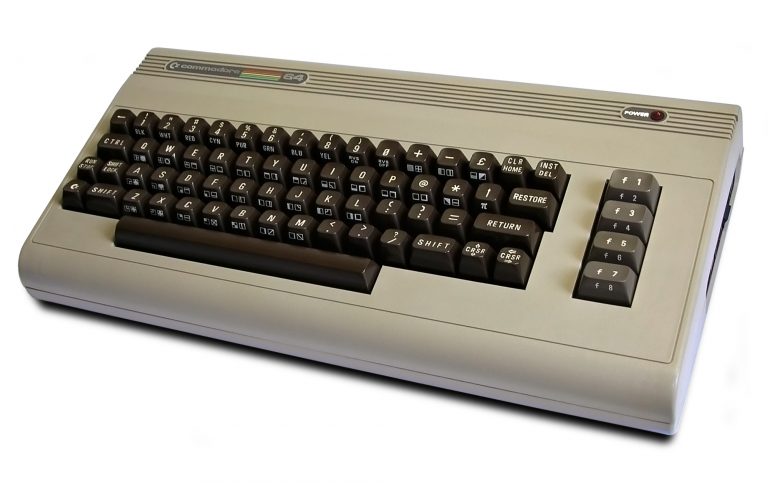
    Commodore 64

    The Commodore 64, usually shortened to C64, is one of the most iconic home computers of the 1980s. Commodore unveiled it in January 1982 at the Consumer Electronics Show in Las Vegas, and commercial sales began later that year.The machine combines a fairly conventional 8-bit processor with two remarkable custom chips. The VIC-II handles graphics…
  • |

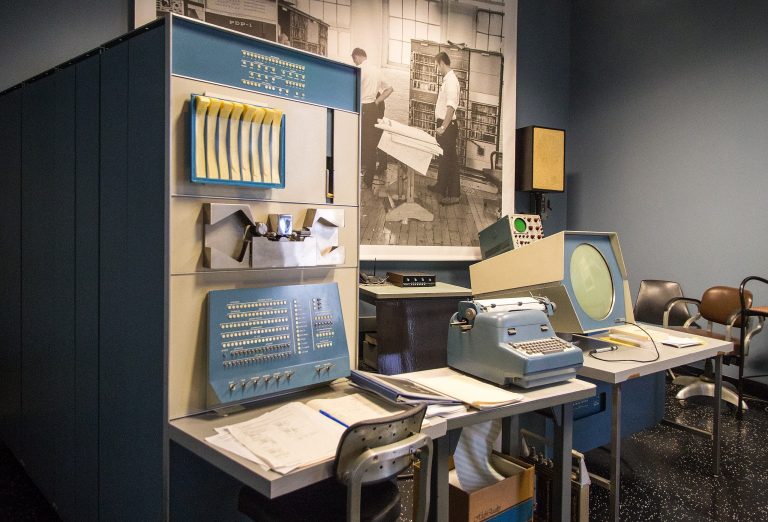
    PDP-1

    PDP-1: the interactive computer that brought Spacewar! to life At the beginning of the 1960s, using a computer still often meant preparing a program, handing it to an operator, and waiting for the printed results. Programmers rarely interacted directly with the machine: they submitted a job and received the output later. The PDP-1, or Programmed…

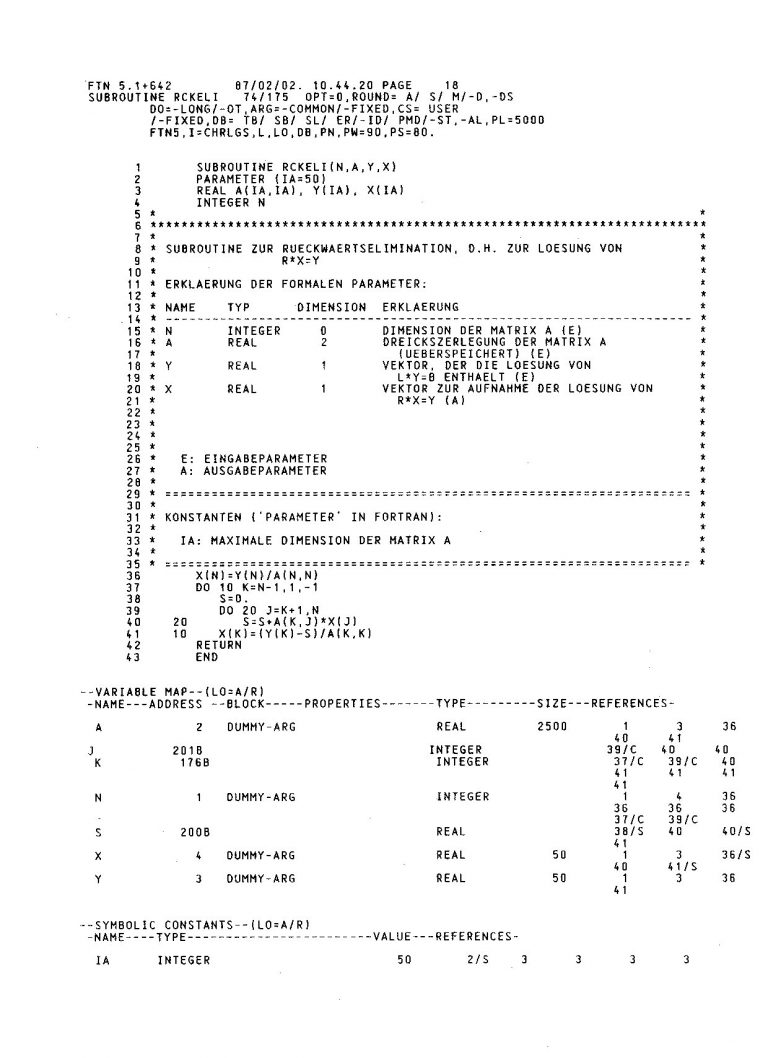
  • FORTRAN

    FORTRAN, short for FORmula TRANslation, is one of the most important programming languages in the history of computing. Developed at IBM under the direction of John Backus, it allowed scientists and engineers to describe calculations in a form much closer to mathematics than to machine instructions.When the first FORTRAN system became available for the IBM…

  • Bill Gates

    Bill Gates: Microsoft co-founder and software pioneer Bill Gates is one of the major figures in the history of personal computing. As the co-founder of Microsoft with Paul Allen, he became involved in developing software for the first microcomputers during the 1970s. He quickly understood that software could become an industry independent of computer hardware….

  • Steve Jobs

    Steve Jobs: Apple Co-Founder and Personal Computing Pioneer Steve Jobs was one of the most influential figures in the history of personal computing. As a co-founder of Apple, the founder of NeXT, and a leading figure at Pixar, he played a major role in transforming computers into products designed for a mass audience. His influence…

  • Ken Williams

    Ken Williams is a major figure in the history of computer gaming. A programmer by training, an ambitious entrepreneur, and the co-founder of On-Line Systems, later renamed Sierra On-Line, he played an important role in the transition from text adventures to graphical adventure games. Together with his wife Roberta Williams, he helped establish the personal…

  • MIT: Birthplace of Hacker Culture and Interactive Computing

    MIT: Birthplace of Early Hacker Culture and Interactive Computing In the late 1950s and early 1960s, the Massachusetts Institute of Technology, or MIT, played a decisive role in the history of computing. The institution was not only a leading research centre: it also became one of the first places where young enthusiasts gained direct access…

  • Ada Lovelace

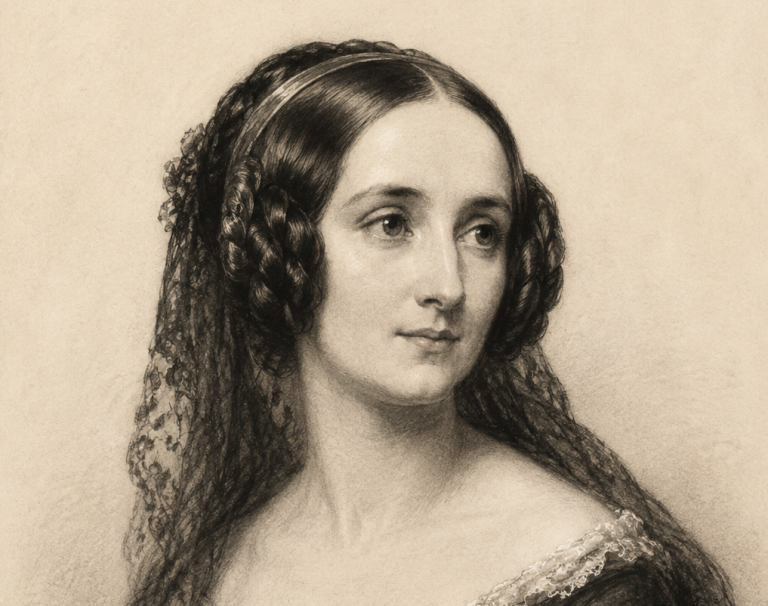
    Ada Lovelace: Countess, Mathematician and Poet of Science Ada Lovelace occupies a unique place in the history of computing. A British mathematician born in 1815 and the daughter of the poet Lord Byron, she is often described as the world’s first computer programmer because of the algorithm she published for Charles Babbage’s Analytical Engine. Yet…

  • Charles Babbage

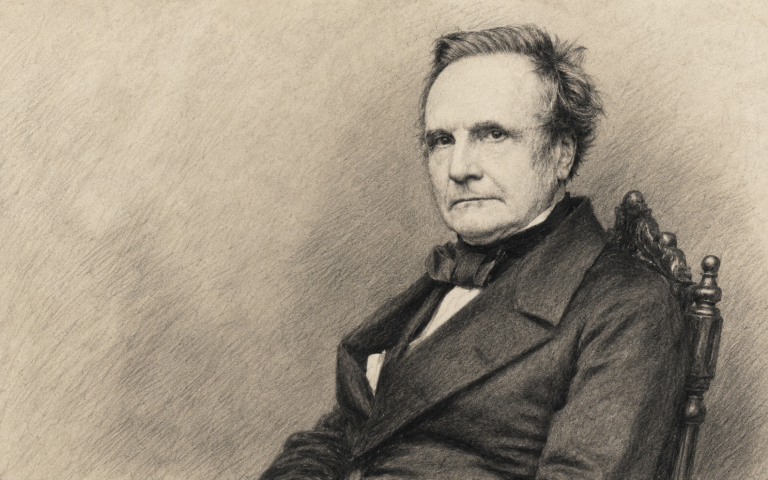
    Charles Babbage: from the Difference Engine to the programmable computer Charles Babbage is one of the founding figures in the history of automatic computing. A British mathematician, inventor and scientific reformer, he designed two radically new families of machines during the 19th century: the Difference Engines, specialised machines intended to perform certain numerical calculations, and…